
The Benefits of a Sound Bath: What to Know Before Your Float & Flow Session
If you’ve already read what to expect at a Lazy Day Floating Sound Bath, you know the logistics: the floating on a buoyant platform, the crystal bowls, the roughly 60-minute session. This time we’re looking at the question guests ask most after that: what does a sound bath actually do for you, and is there anything behind the claims?
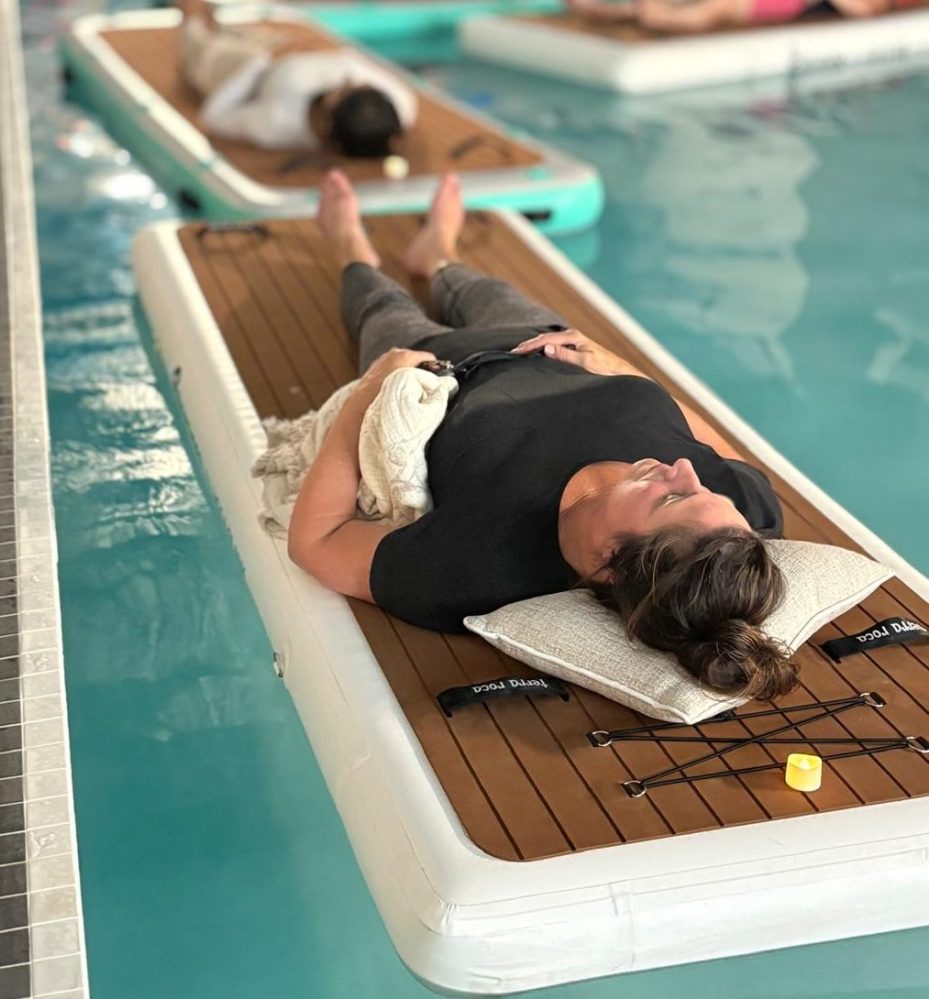 What Is a Sound Bath, Exactly?
A sound bath is a guided listening experience built around sustained, resonant tones, usually from crystal or metal singing bowls, gongs, or chimes, played live while participants lie down or rest and simply listen. There’s no singing along, no movement required, and no musical skill needed; the “work” is entirely on the listening and resting side.
What Are the Benefits of a Sound Bath?
Relaxation and Stress Relief
The most consistently reported benefit is a drop into a deeply relaxed state, similar to what many people describe in the final minutes of a yoga class. The combination of physical stillness, low light, and sustained tone gives the nervous system a rare stretch of uninterrupted downtime.
A Break from Sensory Overload
Unlike most of the day, a sound bath asks for one input at a time. For guests coming from a notification-heavy day, that narrowing of sensory input is often described as the most noticeable shift.
Support for Sleep and Wind-Down Routines
Some guests use a sound bath as a reset before a stretch of poor sleep, or simply as an evening wind-down; the guided, screen-free format lends itself naturally to that use.
Do Sound Baths Actually Work? What the Research Says
This is one of the most common questions we get, and it’s a fair one. Large-scale clinical research specifically on sound baths remains limited, but the broader field of sound-based relaxation has credible research supporting it. UCLA Health notes that sound-based practices can measurably support relaxation and stress reduction for many people, even though the exact mechanism isn’t as well understood as, say, that of a specific medication. Most practitioners and researchers describe sound baths as a legitimate relaxation practice, closer to meditation or guided breathwork in its evidence base, rather than a medical treatment.
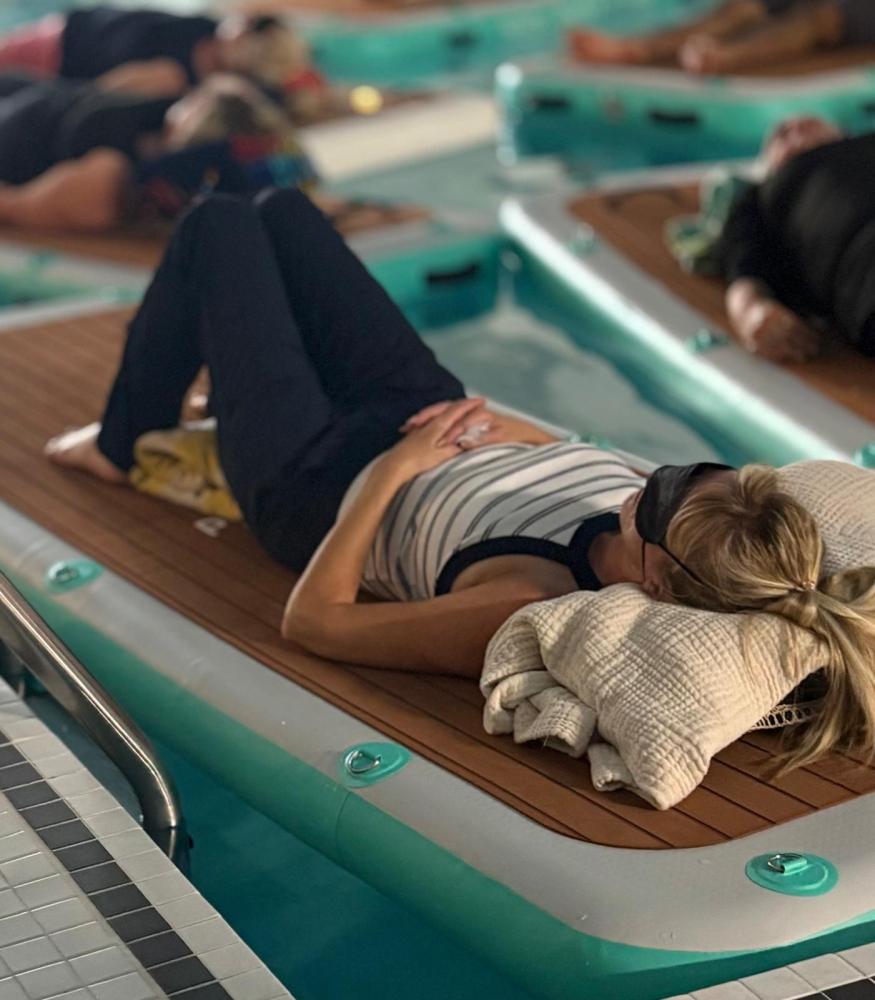 What Makes a Floating Sound Bath Different
A standard sound bath has you lying on a mat on the floor. Lazy Day’s floating version adds a warm-water element: guests rest on a floating mat while the same crystal bowl and chime session plays, pairing the sound with the added physical release of weightlessness. If you haven’t been yet, our full What to Expect guide covers the practical side; sessions run about 60 minutes, guests stay dry, and there’s a seated alternative if lying down isn’t comfortable.
Sound Bath vs. Gong Bath. What’s the Difference?
Guests sometimes ask whether a “gong bath” is a different practice. It’s really a variation within the same family: a gong bath leans more heavily on gong tones, while Lazy Day’s sessions use a broader mix of gongs, crystal bowls and chimes for a gentler, more layered sound.
Getting the Most Out of Your Session
Come without a fixed idea of how you’re supposed to feel, avoid a heavy meal right before, and let your practitioner know about any sound sensitivity or health considerations beforehand, as outlined in our original Float & Flow FAQ.
Frequently Asked Questions
What is a sound bath?
A guided relaxation session built around sustained tones from crystal bowls, gongs, or chimes, played live while participants rest and listen.
What are the benefits of a sound bath?
Guests most often report deep relaxation, a break from sensory overload, and support for winding down before sleep.
Do sound baths actually work?
Dedicated clinical research remains limited, but the broader evidence base for sound-based relaxation is substantial. Most experts describe sound baths as a credible relaxation practice, similar to meditation, rather than a medical treatment.
How is a floating sound bath different from a regular one?
A floating sound bath offers the experience of floating on water, allowing guests to enjoy the same crystal bowl and chime session while resting weightlessly on a floating mat instead of lying on the floor.
Will I get wet?
No. You’ll remain comfortably above the water on a highly buoyant floating mat throughout the experience, so you can relax and enjoy the sound bath without getting wet.
Curious to try it for yourself? Book a Floating Sound Bath session at one of our Airdrie or Okotoks locations, or pair it with a Full Moon Cacao Ceremony for a fuller evening.