
Woo-Woo or Science? What’s Really Happening During a Sound Bath?

A little mystery. A little science. A whole lot of relaxation.
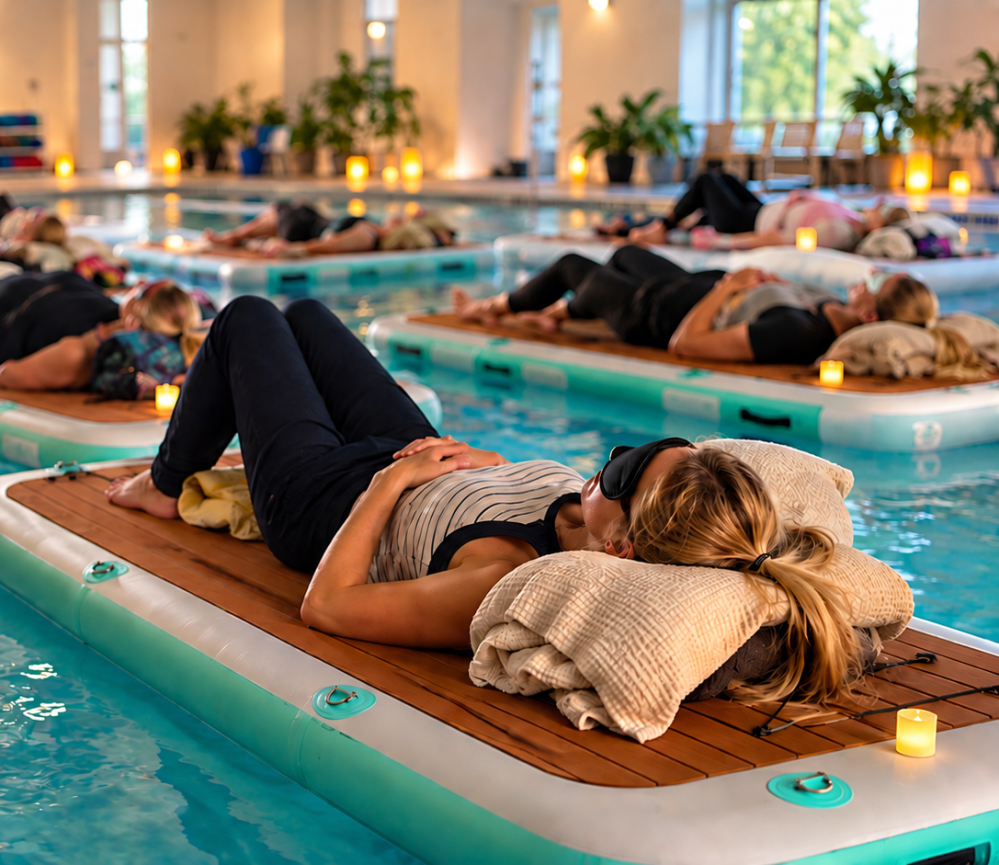
Close your eyes. Take a breath. Listen.
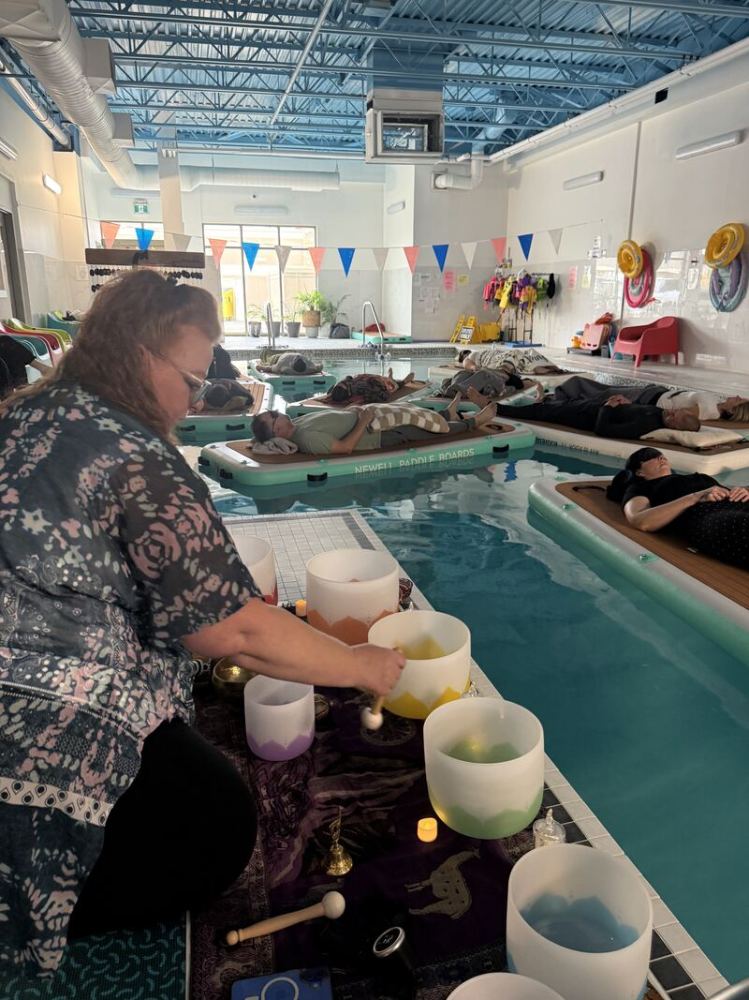
The gentle tones of crystal singing bowls fill the room. A gong resonates in the distance. Layers of sound seem to surround you, and gradually, the distractions of everyday life begin to fade.
You might feel deeply relaxed. Your mind might wander. You might even fall asleep.
But what’s actually happening?
Is a sound bath simply a relaxing experience, or is there real science behind those soothing sounds and vibrations?
Turns out, there’s some science behind the sound.
In this guide to sound bath science, we look at what research says about singing bowl meditation and sound healing, and where the evidence stops. We also answer the question many people quietly ask: do sound baths work?
First, What Exactly Is a Sound Bath?
 Despite the name, a traditional sound bath doesn’t involve water.
A sound bath is an immersive experience in which instruments such as crystal singing bowls, gongs, chimes and drums create layers of sound. Rather than listening to a melody or following a rhythm, participants are invited to relax and experience the sounds as they unfold.
At Lazy Day Wellness, our guided sound baths combine sound with gentle meditation, breathing and relaxation. And sometimes, we add something unexpected: floating on water.
New to the experience? Cleveland Clinic offers a guest-friendly overview of sound baths, and our guide explains what to expect at a floating sound bath in Calgary.
1. Your Brain Is Listening — Even When You’re Not Trying
Sound is sensory information that our brains continuously interpret. When sound waves enter our ears, specialized cells convert them into neural signals that travel to the brain.
The brain processes characteristics such as pitch, intensity, rhythm, and tone, and connects sound with attention, memory, emotion, and expectation. During a sound bath, sustained tones and gentle changes in sound can provide a simple place for attention to rest.
THE SCIENCE: Sound can influence attention and emotion. Researchers are still investigating exactly how singing-bowl meditation produces its reported relaxation benefits.
2. You Don’t Just Hear Sound. You May Feel It.
 Sound is produced by vibration. When a singing bowl is played, it vibrates and creates pressure waves that travel through the surrounding air. Those waves reach our ears, allowing us to hear the sound.
Depending on frequency, intensity and the environment, some vibration may also be physically felt. Our bodies contain sensory receptors that respond to touch, pressure, movement and vibration, sending information through the nervous system to the brain.
IN A SOUND BATH, YOU CAN EXPERIENCE SOUND IN TWO WAYS AT ONCE:
- Sound is heard through your ears and processed by the brain.
- Through your body, some vibrations can be felt by touch and sensory receptors.
THE SCIENCE: Our nervous system responds to sound and vibration, but claims that particular singing-bowl frequencies heal specific organs or conditions go beyond current evidence.
3. Can Sound Baths Actually Reduce Stress?
A frequently cited 2017 observational study examined 62 participants before and after a singing-bowl sound meditation session. Researchers reported significant reductions in self-reported tension, anger, fatigue and depressed mood.
Because the study did not include a comparison group, it cannot tell us how much of the change was caused specifically by the singing bowls versus resting, the setting, expectations or other factors.
THE TAKEAWAY: The findings are encouraging, but they should be described as evidence of potential relaxation and mood benefits rather than proof of a medical effect.
Read the full paper: Goldsby et al., Effects of Singing Bowl Sound Meditation on Mood, Tension, and Well-being. For a plain-language look at the possible upsides, see The Benefits of a Sound Bath.
4. What About Your Nervous System?
The autonomic nervous system helps regulate functions we don’t consciously control, including heart rate, breathing and digestion. Its sympathetic and parasympathetic branches work together continuously as our bodies respond to activity, challenge, rest and recovery.
Research on singing-bowl interventions has examined measures including heart rate, heart-rate variability and blood pressure. Reviews report some promising results, but findings are mixed and the quality and design of studies vary.
THE TAKEAWAY: Sound baths may help create conditions that support relaxation. We should avoid saying that singing bowls “reset” or “heal” the nervous system.
For a deeper look at the sound healing research, see this 2025 systematic review of singing-bowl studies.
5. Can Sound Baths Improve Your Mood?
Some studies report improvements in self-reported mood after singing-bowl meditation, including reductions in tension, anger and fatigue. Reviews of the broader literature also identify possible benefits involving anxiety, mood and sleep.
These findings do not mean sound baths are a treatment for anxiety disorders, depression or sleep disorders. The research base remains relatively small.
THE TAKEAWAY: A sound bath may help people feel calmer or more relaxed in the moment. More research is needed to understand how consistent and lasting those effects are.
For background on how meditation and mindfulness are studied, see the NCCIH overview of meditation and mindfulness.
6. And What Happens When You Add Water?
At Lazy Day Wellness, we add another sensory dimension to the traditional sound bath: floating.
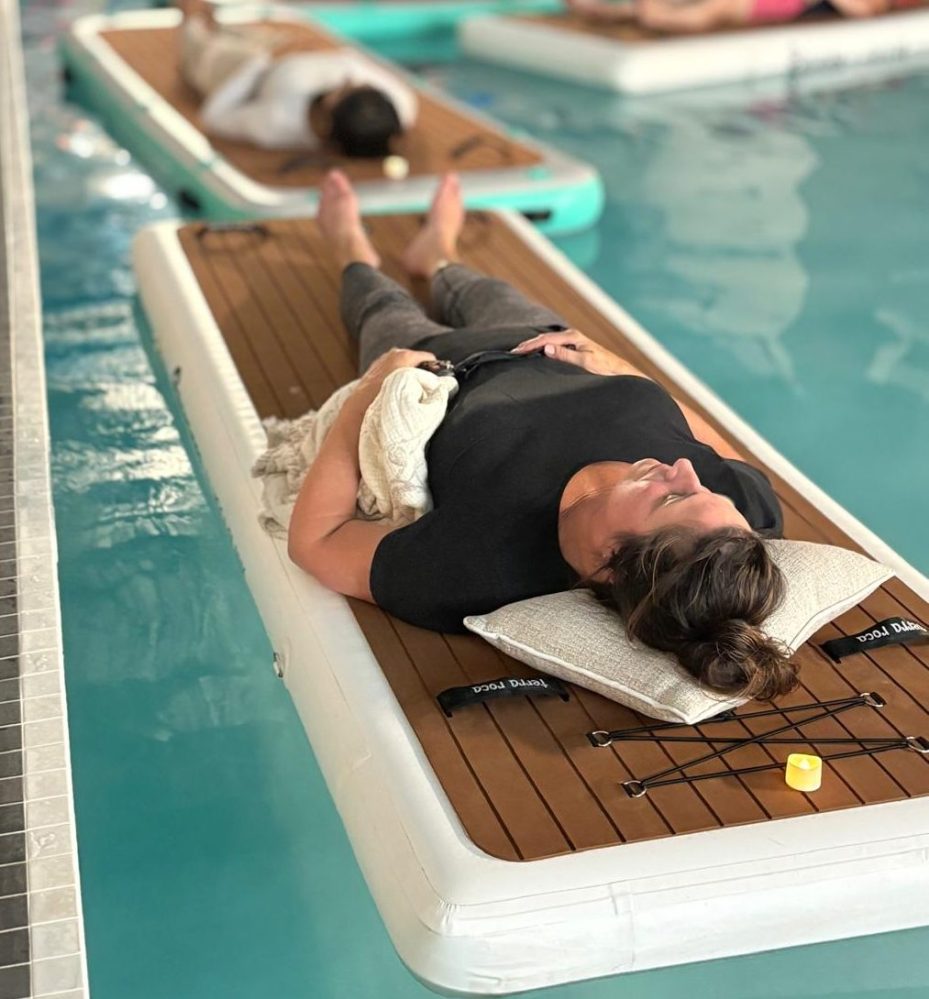
Guests settle comfortably onto specially designed floating boards above the water. As the sound journey begins, the gentle movement of the water becomes part of the sensory experience.
You hear the sound. You may feel vibration. And you notice the subtle movement of the water beneath you.
Research specifically examining floating sound baths is limited. We cannot claim that floating amplifies the health benefits of singing bowls. What we can say is that floating adds another sensory dimension to an already immersive experience.
Curious what a session feels like? Explore Float & Flow floating sound baths in Calgary or read what to expect at a floating sound bath.
7. Do You Have to Meditate?
Absolutely not.
STRICT RULES FOR SOUND BATHS: There are no rules.
You don’t need to clear your mind. You don’t need to concentrate on every sound. You don’t need to control your breathing. And you don’t need to achieve a particular state.
If your mind wanders, that’s normal. If you fall asleep, we’ll take it as a compliment. If you simply enjoy the sounds, that’s perfectly fine too.
THE TAKEAWAY: There is no single correct way to experience a sound bath.
8. So, Woo-Woo or Science?
 Perhaps the most interesting answer is that sound baths don’t need to be one or the other.
There is legitimate scientific research investigating singing bowls, meditation, sound and relaxation. Some studies suggest benefits for stress, anxiety, mood and sleep. But science has not established every explanation sometimes associated with sound healing.
We don’t know that particular frequencies heal specific parts of the body. We don’t know that vibration alone produces the benefits participants experience. And we don’t yet know whether floating makes a sound bath more effective.
What we do know is that many people report feeling more relaxed after sound meditation, and researchers are continuing to investigate why.
At Lazy Day Wellness, we don’t promise miracles. We create welcoming, thoughtfully designed experiences that give people an opportunity to slow down, disconnect from everyday distractions and reconnect with themselves.
Ready to explore it for yourself? See all Lazy Day Wellness experiences, including Float & Flow floating sound baths.
The science is interesting.
The experience is yours.
Come as you are. Find Your Flow. Book a Floating Sound Bath
Curious About the Science? Explore the Research
If you want to read the sound healing research for yourself, start with these sources.
Cleveland Clinic — What Is a Sound Bath?
Guest-friendly overview of sound baths, potential benefits and the limitations of current evidence.
NCCIH — Meditation and Mindfulness
Authoritative background on meditation, mindfulness, stress and well-being.
Goldsby et al. (2017) — Effects of Singing Bowl Sound Meditation on Mood, Tension, and Well-being
Observational study of 62 participants reporting changes in tension, anger, fatigue and depressed mood after a singing-bowl meditation.
2025 Systematic Review — Therapeutic Effects of Singing Bowls
Review of clinical research on singing-bowl interventions; useful for the broader evidence base and its limitations.
Frequently Asked Questions
Is there real science behind sound baths?
There is legitimate research on singing bowls, meditation, sound and relaxation, and some studies suggest benefits for stress, anxiety and mood, with less consistent results for sleep. The research base is still small and its quality varies, so it points to potential benefits rather than proven treatment.
Can a sound bath heal or treat a health condition?
No. A sound bath is not a medical treatment, and researchers have not shown that particular frequencies heal specific organs or conditions. Many people do report feeling calmer and more relaxed afterward. If you have a health concern, speak with your healthcare provider.
Do I have to meditate during a sound bath?
No. There are no rules. If your mind wanders, that’s normal, and if you fall asleep, we’ll take it as a compliment.
Does floating make a sound bath more effective?
Research on floating sound baths specifically is limited, so we cannot say that floating makes a sound bath more effective. What floating adds is another sensory dimension: the sound, possible vibration and the gentle movement of the water.